Real Estate · 16 Sep 2026

Blog · Real Estate
16 September 2026 · 8 min read
Cities are changing faster than ever, and the way we live is changing right along with them. A decade ago, a "good" residential project simply meant a decent apartment in a safe neighborhood, maybe with a small garden and a security guard at the gate.
Today, buyers want more. They want a future-ready township, a self-sufficient, well-planned community that can keep up with tomorrow's needs, not just today's comforts.
But what does that actually mean in practice? Is it just about smart gadgets and solar panels, or does it go deeper than that? The truth is, a future-ready township is the sum of many carefully considered decisions made years before the first resident ever moves in.
Let's break down what really separates an ordinary residential project from a truly future-ready township, and why this distinction matters more today than it ever has before.
A future-ready township isn't just a cluster of buildings with a park in the middle. It's a planned ecosystem where homes, workplaces, schools, healthcare, retail, and green spaces all coexist within walking or short driving distance. The goal is simple: reduce dependency on the city outside its gates while improving the quality of everyday life inside them.
Think of it this way — a traditional apartment complex solves the problem of shelter. A township solves the problem of living. It anticipates that residents will need groceries, medical care, recreation, education for their children, and reliable infrastructure, and it builds all of that into the plan from day one rather than leaving residents to fend for themselves in an already overstretched city.
When developers talk about sustainable township development, they're referring to this larger vision, one that accounts for population growth, climate concerns, resource scarcity, and the way technology is reshaping daily routines. It's a shift from thinking about buildings in isolation to thinking about entire communities as living, evolving systems.
Urban populations are growing rapidly, and existing city infrastructure is struggling to keep pace. Traffic congestion, water shortages, erratic power supply, and pollution are pushing both buyers and developers to rethink how communities are built. Municipal systems designed decades ago were never meant to support today's population density, and the strain shows up everywhere — from hour-long commutes to water tankers becoming a daily necessity in many neighborhoods.
A well-designed township can absorb this growth without collapsing under it, which is exactly why the demand for integrated township projects has grown so sharply in recent years. Buyers aren't just purchasing a home anymore; they're buying into a system that promises stability even as the city around it changes unpredictably.
This shift in expectations is also why real estate developers are investing heavily in long-term master planning rather than quick, isolated construction.
Not every gated community can call itself future-ready. Plenty of projects use the term loosely in marketing brochures without actually delivering on it. There are specific, measurable elements that need to come together for a township to genuinely earn that label.
A modern township needs infrastructure that thinks ahead rather than reacting to problems after they occur. This includes underground utility lines instead of overhead cables, smart water metering that tracks consumption in real time, automated waste segregation and management, and robust digital connectivity across every block, including high-speed fiber networks that support remote work and smart devices.
Smart township infrastructure also means integrated CCTV surveillance with AI-based monitoring, app-based visitor management so residents know exactly who is entering the community, and centralized systems that let residents control lighting, security, and utility usage directly from their phones. This isn't about novelty, it's about efficiency, safety, and reducing the everyday friction of urban living.
Sustainability can't be an afterthought anymore; it has to be built into the master plan from day one, not retrofitted after construction is complete. Rainwater harvesting systems, solar energy usage for common areas and street lighting, on-site sewage treatment plants that recycle water for landscaping, and extensive green cover are no longer luxury additions; they're baseline expectations for any serious development.
A genuinely eco-friendly township actively reduces its carbon footprint while making outdoor spaces enjoyable and usable throughout the year. This includes thoughtful landscaping that lowers ambient temperatures, tree cover that improves air quality, and building materials chosen for energy efficiency rather than just aesthetics. Over time, these choices translate directly into lower utility bills and a noticeably better quality of life for residents.
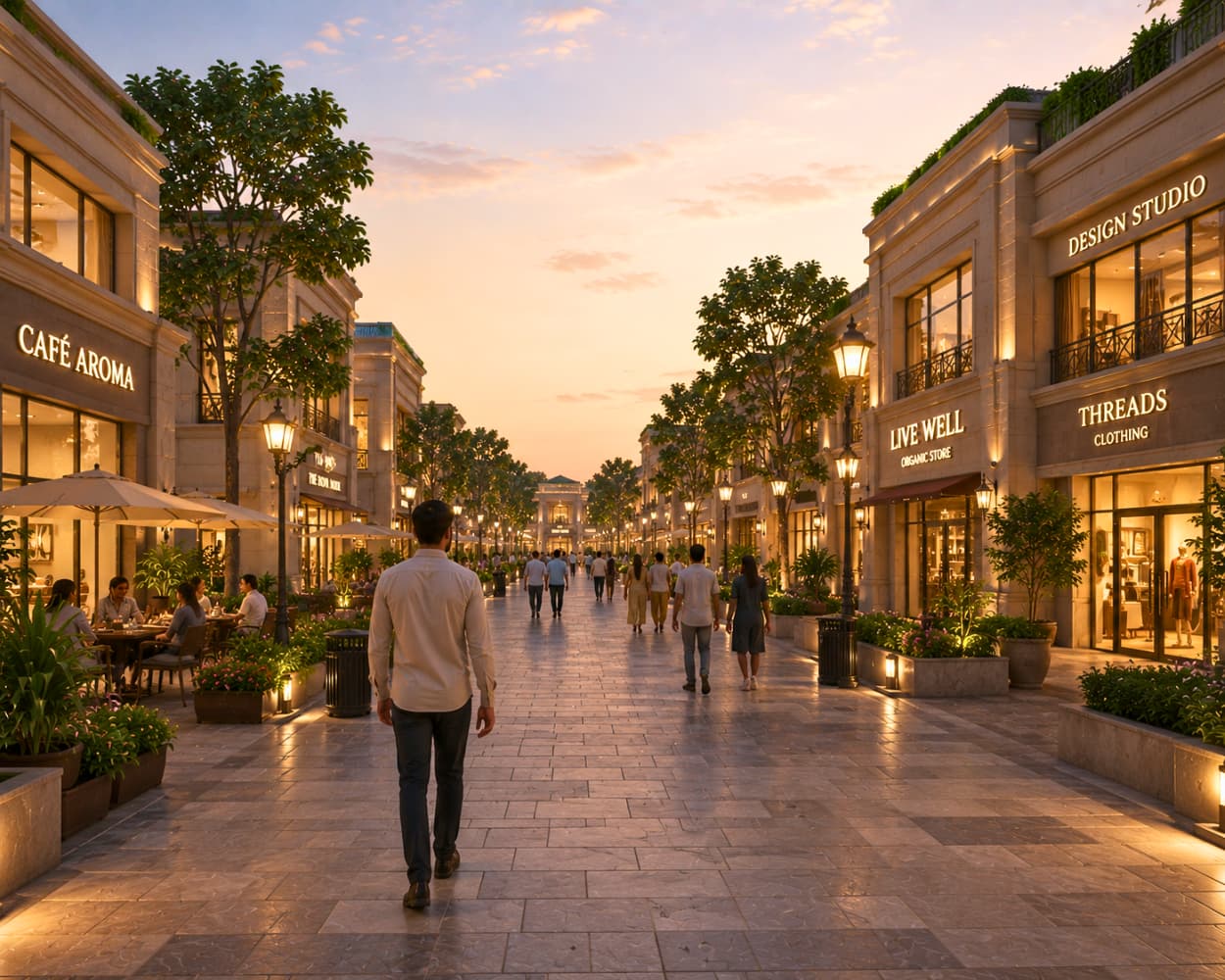
The best townships blend residential, commercial, and recreational spaces so residents don't have to leave the community for daily needs. Grocery stores, clinics, pharmacies, cafes, co-working spaces, and schools within the township reduce commute time and traffic pressure on surrounding roads, while also creating a stronger sense of community among residents who interact regularly in shared spaces.
This kind of mixed-use township planning is quickly becoming the gold standard in urban development because it acknowledges a simple truth: people don't want to spend hours commuting for basic errands. When daily needs are met within a five- or ten-minute walk, quality of life improves dramatically, and the surrounding city's traffic burden eases as well.
Roads, drainage systems, power backup, and water supply form the backbone of any township, but a future-ready one goes further with amenities like clubhouses, sports complexes, walking and cycling trails, multi-purpose community halls, and dedicated spaces for children and senior citizens. These aren't decorative extras; they directly influence how residents experience daily life and how connected they feel to their community.
This is where social infrastructure in townships plays a defining role in resident satisfaction and long-term property value. A township with strong social infrastructure tends to retain residents longer, build stronger community bonds, and command better resale value compared to developments that focus purely on housing units without investing in shared spaces.
Modern townships are expected to offer layered security — from boundary walls and manned gates to biometric access, RFID-based vehicle entry, and drone surveillance in some premium developments.
Safety isn't just about physical protection anymore; it also includes emergency response planning, fire safety systems, disaster preparedness protocols, and quick-access healthcare in case of medical emergencies. Buyers today actively evaluate these systems before making a purchase decision, and rightly so. A township that has thought through safety comprehensively — rather than just installing a boom barrier at the entrance — signals a level of planning maturity that extends to every other aspect of the development.
From home automation to centralized township management apps, technology now touches almost every part of daily life within a well-planned community.
Residents can pay maintenance bills, book amenities like clubhouses or sports courts, raise and track complaints, monitor energy and water usage, and receive community announcements all from a single dashboard on their phone. This is the essence of what's often called a smart township: not flashy gadgets for their own sake, but a seamless, connected system that reduces friction in everyday management and communication between residents and the developer or management committee.
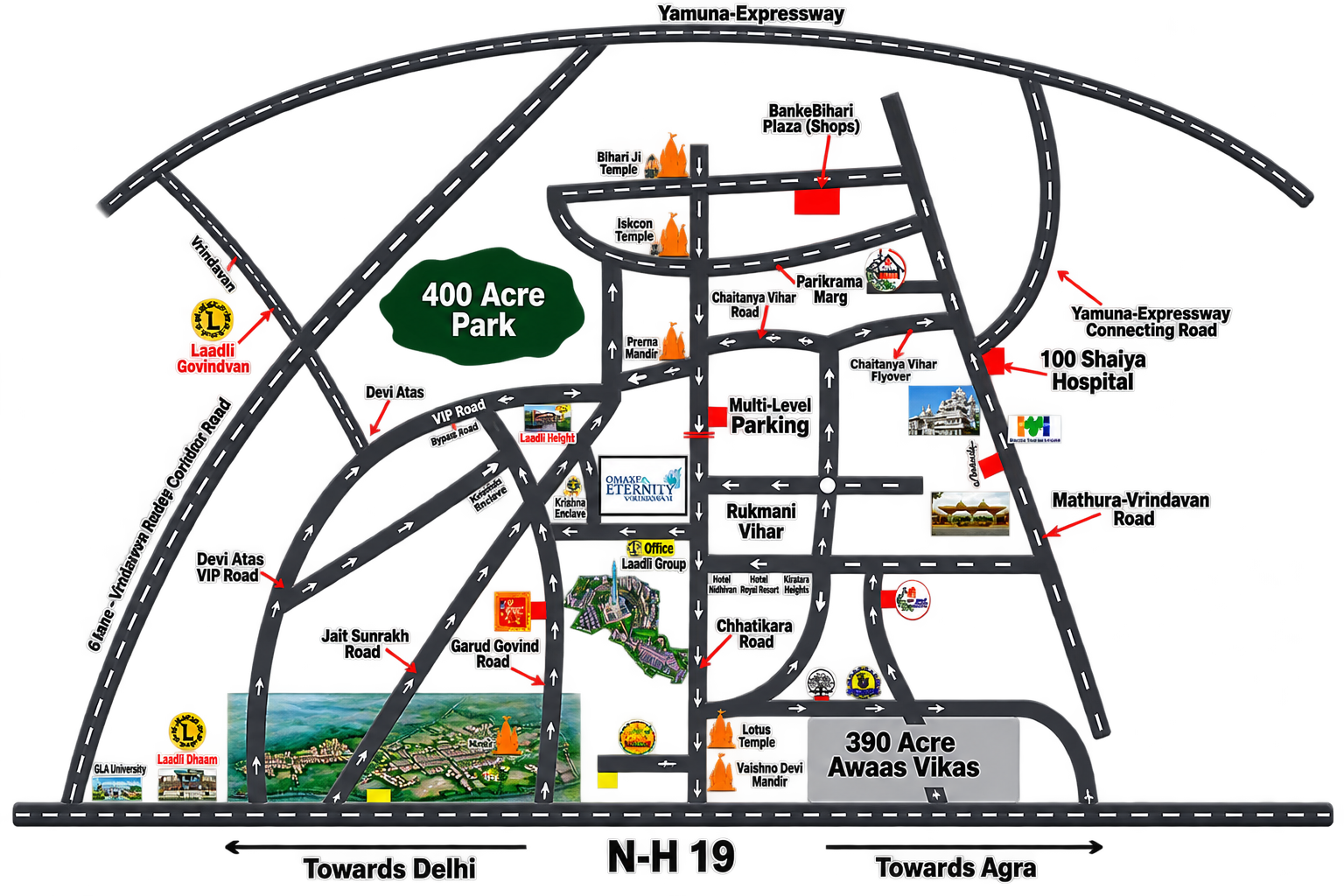
Even the most advanced township loses its appeal if it's cut off from the rest of the city. Proximity to highways, metro corridors, business hubs, schools, hospitals, and airports significantly affects both day-to-day livability and long-term property appreciation. A township with world-class internal amenities but a two-hour commute to the nearest office district will struggle to retain residents in the long run.
Developers today are increasingly choosing locations along upcoming infrastructure corridors, new metro lines, expressways, or planned business districts — betting on connectivity that will mature over the next five to ten years. This forward-looking approach to location selection is itself a hallmark of future-ready planning, since it anticipates how a city will grow rather than reacting to how it already looks today.
A future-ready township isn't built for the next five years, it's built for the next twenty-five. That means factoring in scalability from the earliest planning stages: Can the water supply handle double the population as later phases are completed? Can the road network absorb significantly more vehicles without gridlock? Can green spaces and drainage systems survive increasing urban heat and heavier monsoons? These questions matter far more than surface-level aesthetics, and they're what ultimately determine whether a township remains desirable decades after its first residents move in.
This is also why future-ready real estate is increasingly seen as a smarter investment than standalone apartment complexes. Townships offer built-in appreciation potential because they solve problems buyers didn't even know they had yet — problems that standalone buildings simply cannot address on their own, no matter how well they're constructed. As surrounding infrastructure catches up and the township matures, both livability and resale value tend to rise together.
A truly future-ready township is far more than a pretty brochure or a promising location. It's the result of deliberate planning across infrastructure, sustainability, technology, safety, and community design — all working together to support a growing population without straining resources or comfort.
As cities continue to expand and evolve, townships that get these fundamentals right won't just survive the pressures of tomorrow; they'll set the benchmark for what modern living should look like.
Whether you're a homebuyer looking for a place to settle down for decades or an investor evaluating long-term returns, understanding these pillars can help you separate genuine long-term value from short-term marketing promises.
The next time you walk into a sales office and hear the phrase "future-ready township," you'll know exactly what questions to ask and exactly what to look for behind the glossy renders and promotional language.
A future-ready township is a planned community designed with sustainable infrastructure, smart technology, mixed-use spaces, and scalable systems that can adapt to growing population and changing urban needs over the long term.
Look for strong physical infrastructure, sustainable practices like rainwater harvesting and solar power, mixed-use planning, robust security systems, smart technology integration, and good connectivity to major city hubs and upcoming infrastructure corridors.
Sustainability reduces long-term operating costs, minimizes environmental impact, and ensures the township remains livable even as urban resources like water and energy come under increasing pressure from growing populations.
Smart technology simplifies daily tasks like bill payments, security monitoring, and amenity bookings, while also improving energy efficiency and overall community management through centralized digital systems accessible from residents' phones.
Yes. Because they're designed for long-term scalability and livability, future-ready townships tend to hold and appreciate value better than standalone developments, especially in rapidly urbanizing areas with expanding infrastructure.
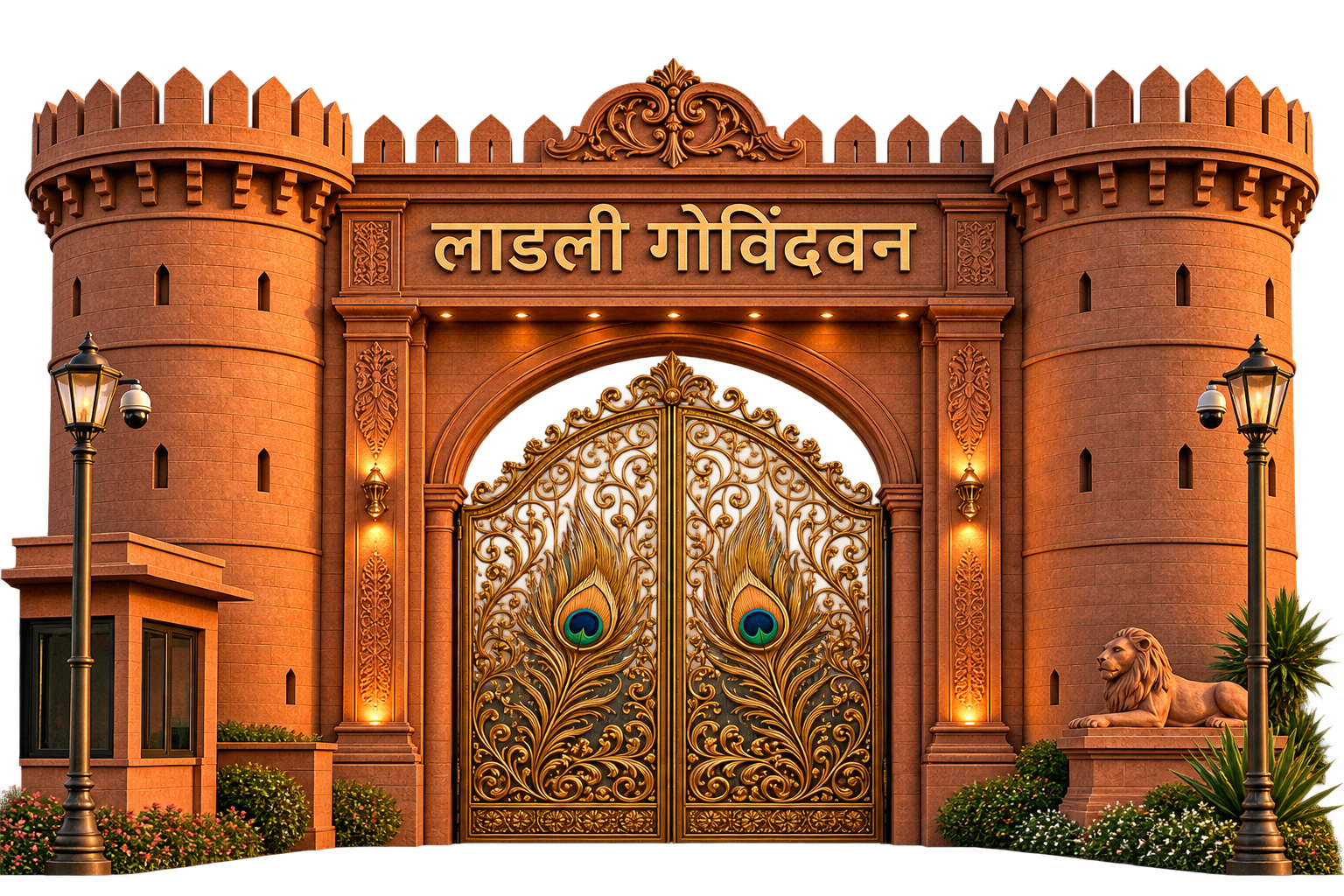
Laadli Govindavan is planned as a self-sufficient, gated community with modern infrastructure, green open spaces and a full range of lifestyle amenities. Speak to our team to know more.
Get in Touch
Residential plots in a gated, green community in the heart of the Braj region.
Enquire Now